
Bachelor Fashion Communication
back-to-school date
September 2026
Available at:
Valid secondary school diploma (national or international)
Place:
Paris
Title:
"Communication and fashion image manager" registered to RNCP at level 6 (French recognition).
Target audience:
Interest in fashion and communication
Objectives:
Master all the specific aspects of communication as applied to the world of fashion
Become a fashion communication expert
Atelier Chardon Savard’s Bachelor Fashion Communication Manager program trains future specialists in fashion communications. This three-year course (with entry possible after the first year depending on prior studies) leads to the RNCP Level 6 qualification “Responsable de la communication et de l’image de mode”
Students learn to decode fashion’s visual language and develop integrated communications strategies. They master sector-specific codes, detect trends, analyse the mechanisms that create desire and identity, craft messages and visuals for targeted audiences and organise events. The curriculum combines fashion culture, photography, writing, marketing and project management to prepare graduates for roles in media, brands, press offices or agencies.
Key strengths
- Recognised certification: the program leads to a Level 6 RNCP title in fashion communication.
- Expert teaching staff: courses are taught by professionals and lecturers from the industry.
- Internships every year: placements, often during Fashion Week, provide practical experience.
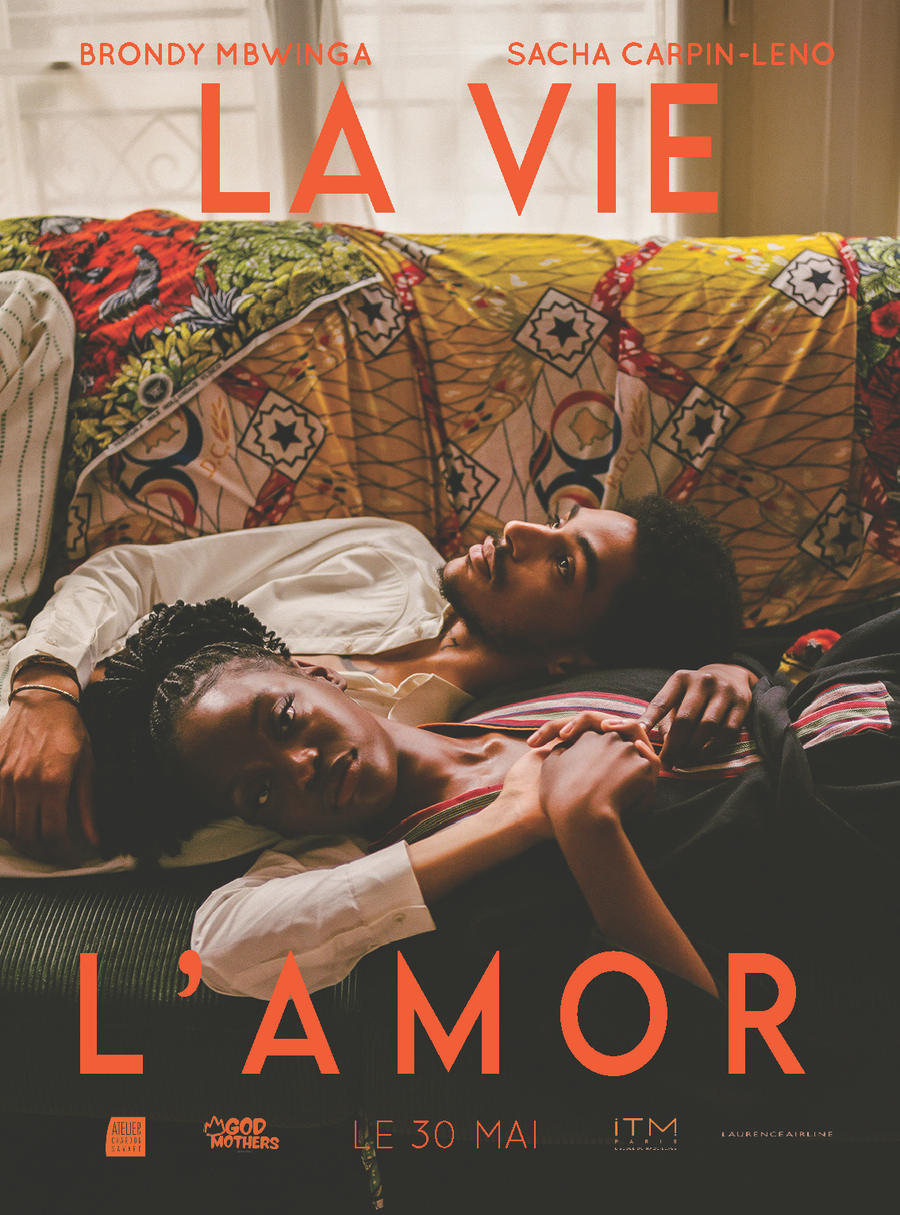
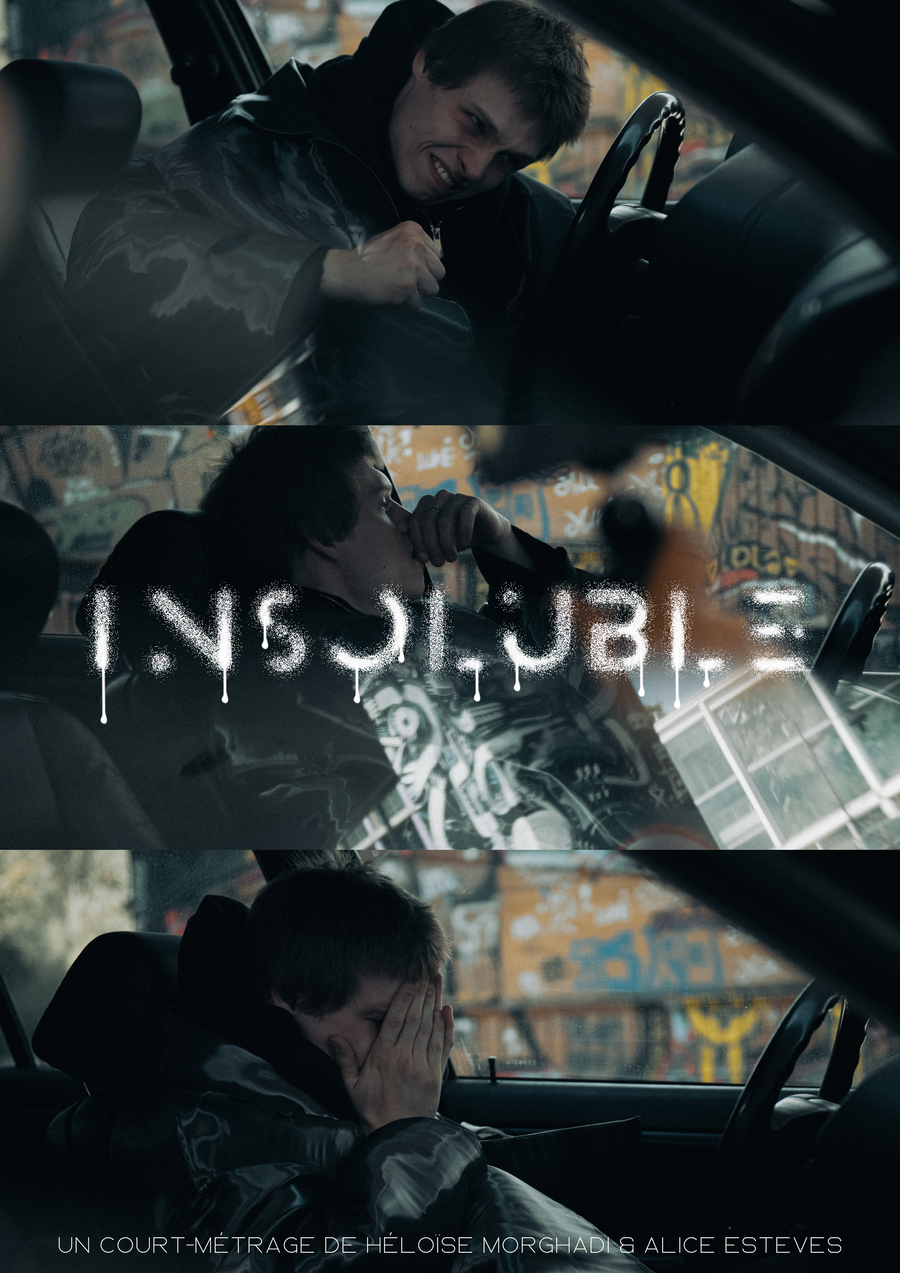
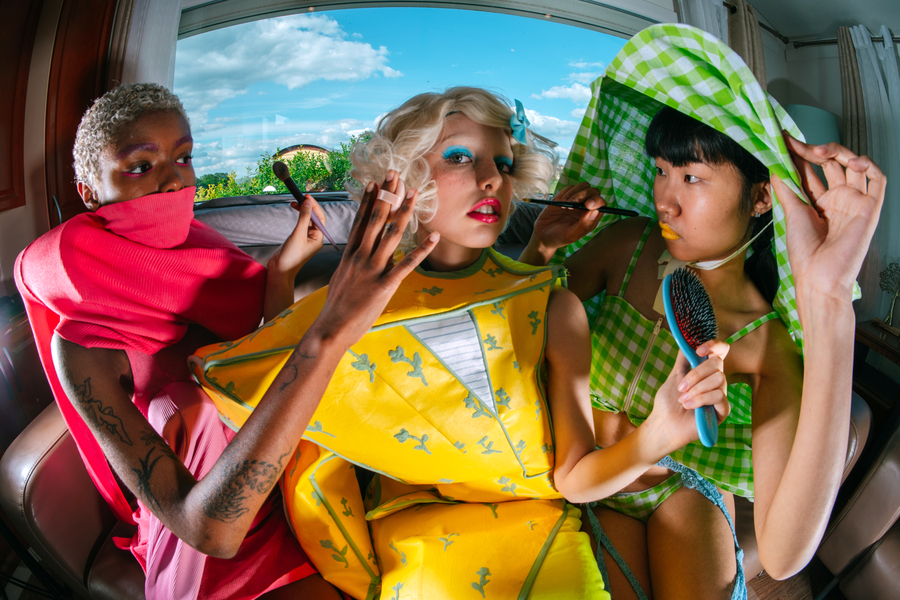
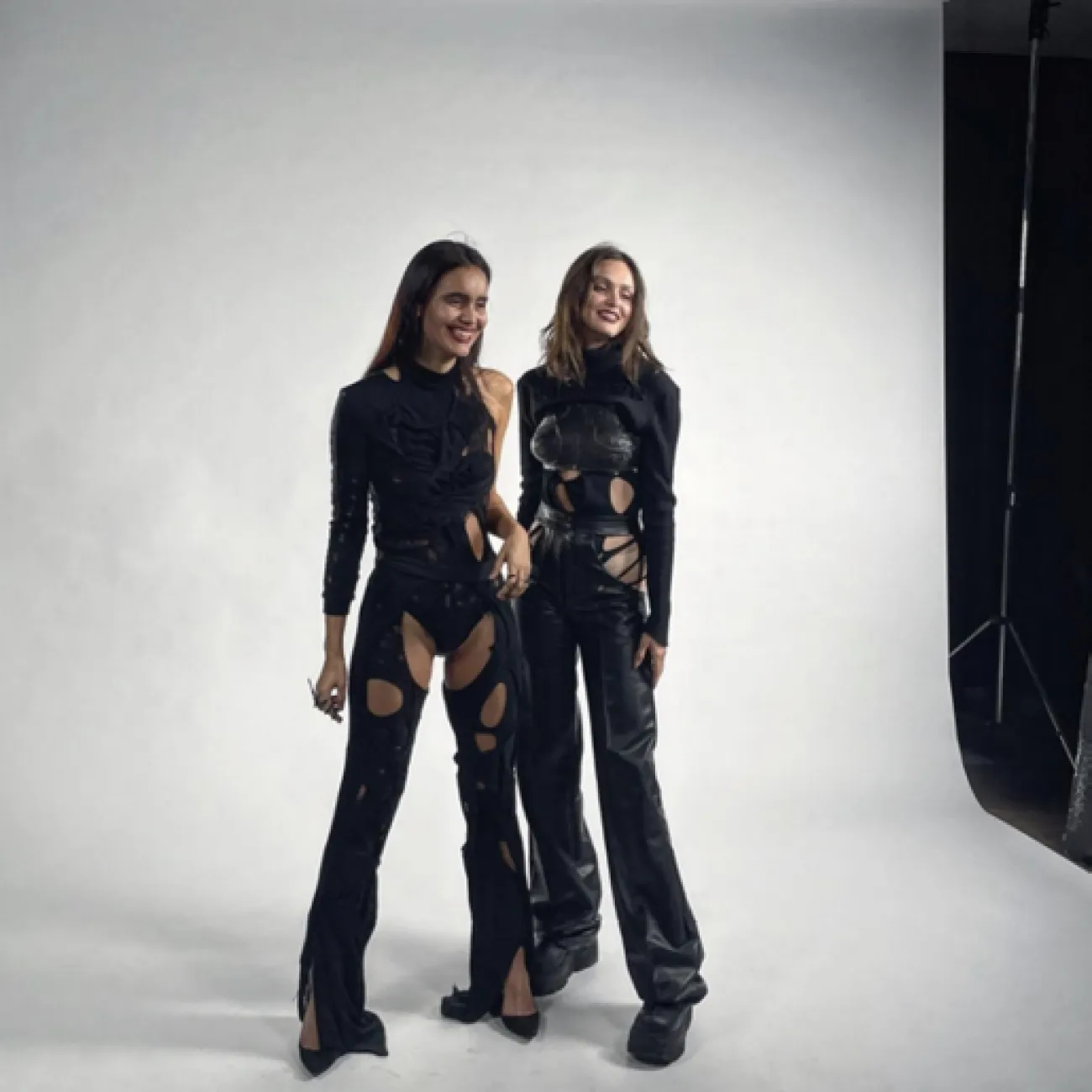
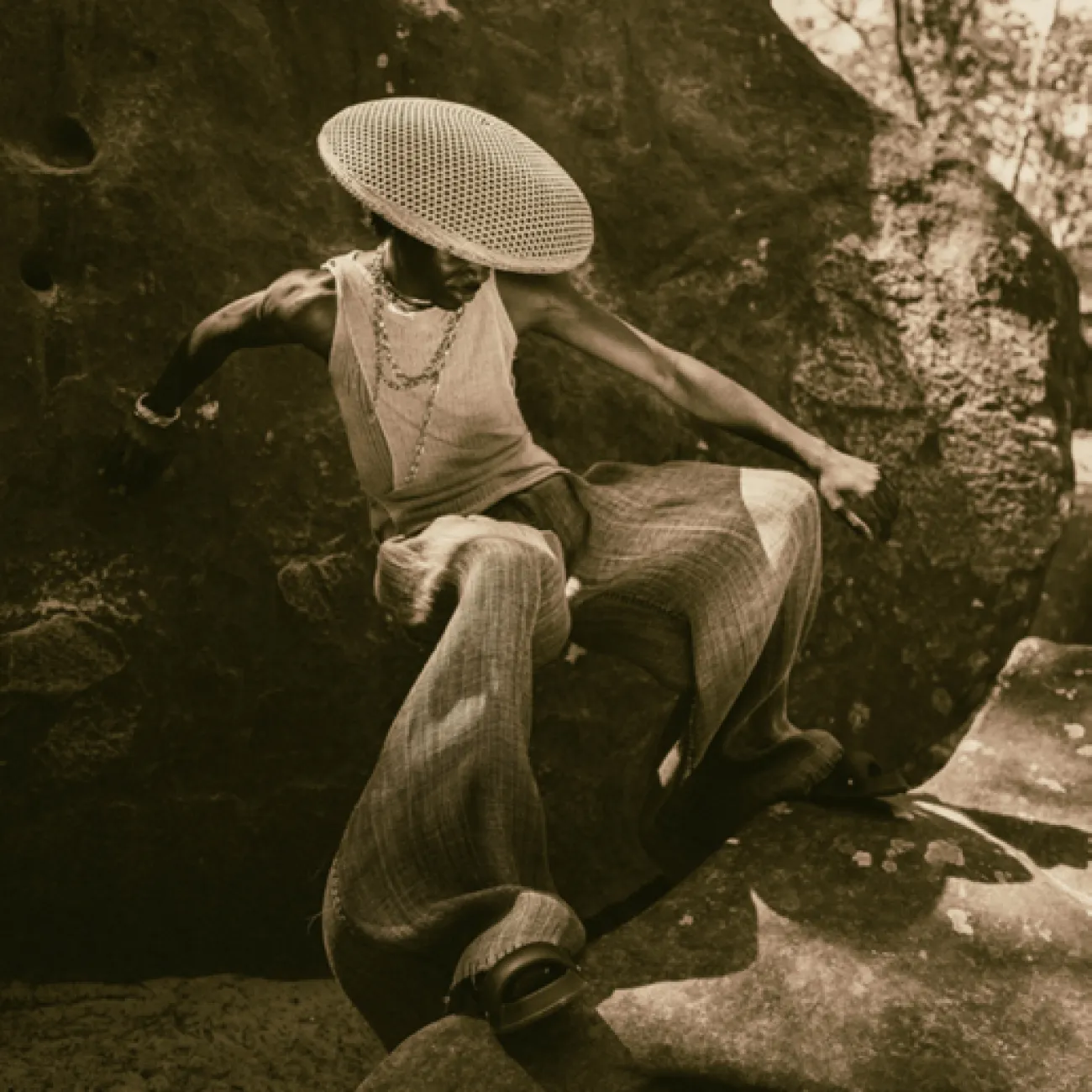
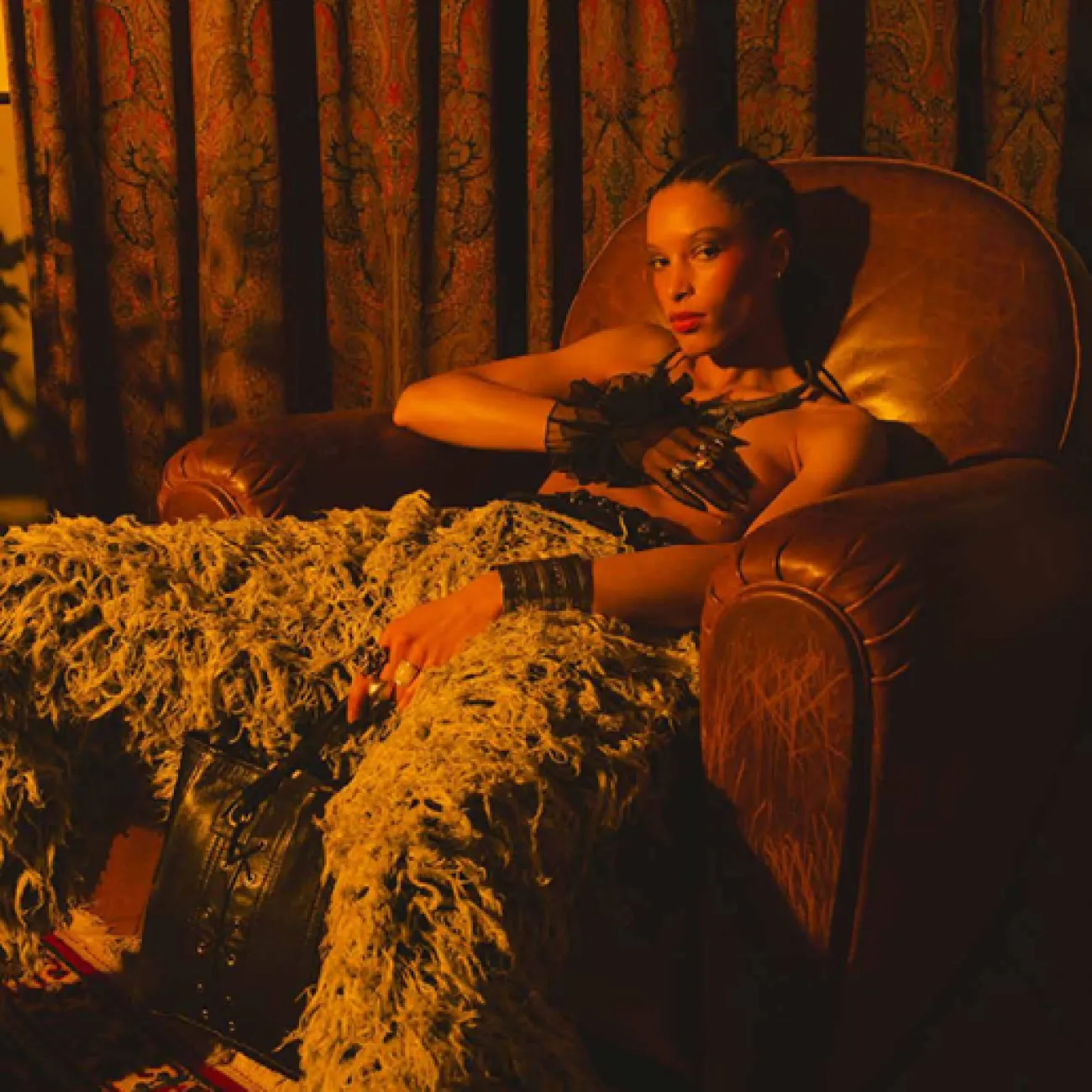
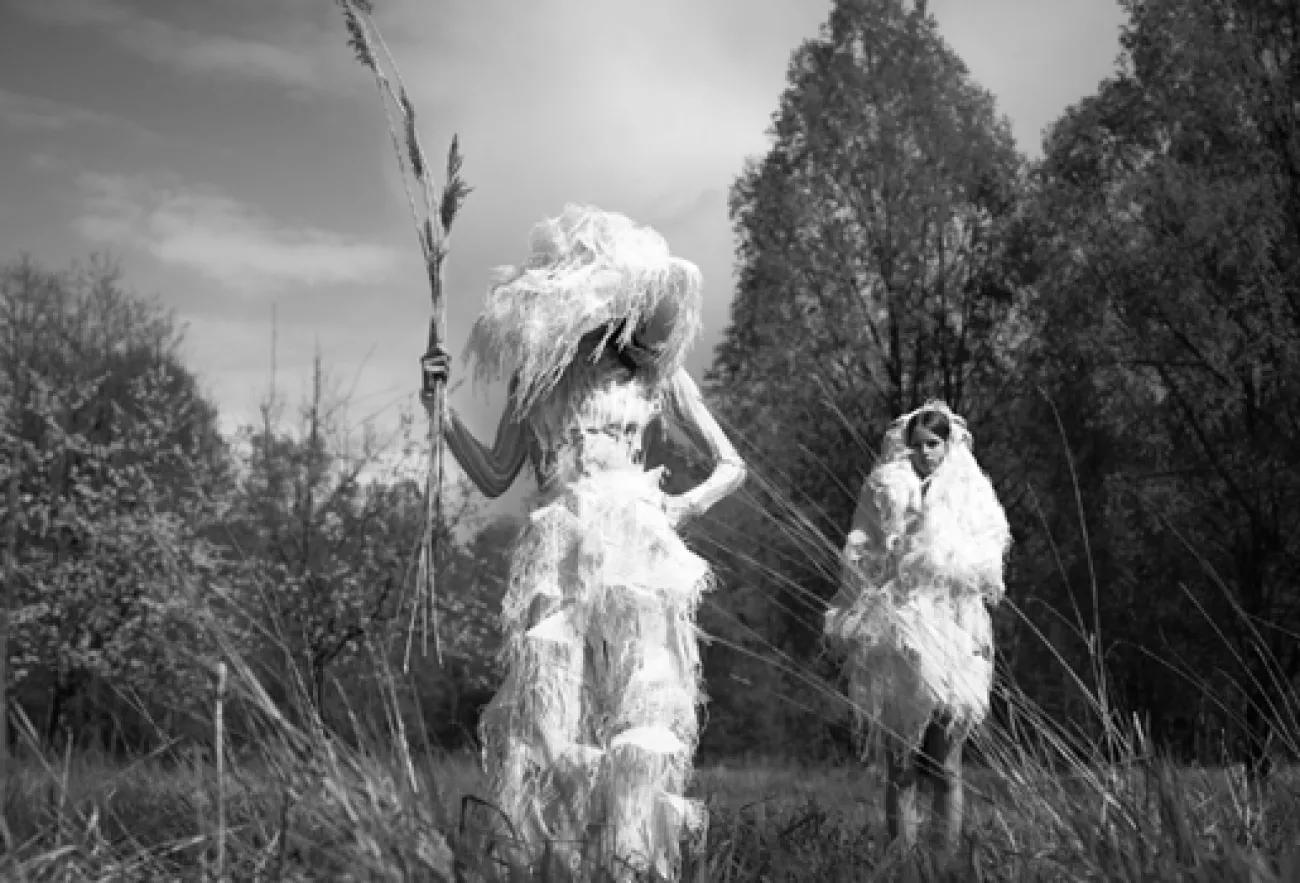
- Innovative pedagogy: learning combines theory with creative projects such as photo shoots, fashion films and magazine production.
- Professional projects: students create magazines, communication campaigns and consultancy projects.
- Personalised coaching: support for internships and job placement.
- Industry network: leading brands (Louboutin, Le Figaro, LVMH) trust and recruit our students.
Program overview
Year 1 – Discover the specific characteristics of the fashion industry
The first year develops students’ understanding of the fashion world and its vocabulary.
They explore art–fashion relationships, trends and cultural references while experimenting with the components of fashion communication
Year 2 – Communication fundamentals
The second year focuses on press relations and video formats.
Students work on two major projects that become key milestones for the third-year certification.
These projects allow students to apply their knowledge in real-world contexts.
Year 3 – From theory to professional practice
In the final year, students apply all their skills by developing a complete communication strategy for a fashion brand.
This capstone project offers a professional-level experience and prepares graduates for the job market.

Teaching combines in-person and online courses delivered by industry experts. Conferences and master classes provide insights from professionals. Students undertake professional situations such as developing 360° strategies, producing fashion films, creating print and digital magazines, and receive individual coaching on their professional skills
Teaching combines in-person and online courses delivered by industry experts. Conferences and master classes provide insights from professionals. Students undertake professional situations such as developing 360° strategies, producing fashion films, creating print and digital magazines, and receive individual coaching on their professional skills
The Bachelor aims to provide:
- A deep understanding of fashion communication issues, including its history, sociology, visual codes and market dynamics
- Analytical methods for assessing client or brand needs and defining position, target audience and brand identity
- Trend-watching skills and use of monitoring tools to inspire creative proposals
- Foundations of 360° communication strategy: objectives, messages, storytelling, channels and budgeting
- Mastery of digital and print communication tools, from social media and SEO to editorial production, photography and video
- Project management practice for planning, team coordination and operational follow-up
- Introduction to press relations and event planning to enhance brand visibility
- Ability to analyse campaign results and implement improvements using indicators and reporting tools
The programme also develops a professional attitude (autonomy, creativity, rigour), teamwork skills and a strong aesthetic sensibility
The Bachelor aims to provide:
- A deep understanding of fashion communication issues, including its history, sociology, visual codes and market dynamics
- Analytical methods for assessing client or brand needs and defining position, target audience and brand identity
- Trend-watching skills and use of monitoring tools to inspire creative proposals
- Foundations of 360° communication strategy: objectives, messages, storytelling, channels and budgeting
- Mastery of digital and print communication tools, from social media and SEO to editorial production, photography and video
- Project management practice for planning, team coordination and operational follow-up
- Introduction to press relations and event planning to enhance brand visibility
- Ability to analyse campaign results and implement improvements using indicators and reporting tools
The programme also develops a professional attitude (autonomy, creativity, rigour), teamwork skills and a strong aesthetic sensibility
Students prepare to obtain the “Responsable de la communication et de l’image de mode” certification.
By the end, they can:
- Analyse communication briefs to understand the environment and brand positioning, then propose strategic recommendations
- Monitor trends to build a documentary base and identify themes for communication
- Develop a communication plan aligned with a brand’s strategy and budget, defining objectives, key messages and appropriate channels
- Design campaigns using digital levers (SEO, paid media) to generate engaged audiences
- Plan press relations and organise events using a professional network and industry calendar
- Produce still and moving images through editorial photo shoots and video, respecting artistic direction
- Write content for print or digital magazines using professional editorial techniques
- Draft project briefs and schedules, specifying resources, roles and budgets
- Coordinate teams and ensure timely project delivery
- Implement measurement tools to evaluate and improve campaigns
Students prepare to obtain the “Responsable de la communication et de l’image de mode” certification.
By the end, they can:
- Analyse communication briefs to understand the environment and brand positioning, then propose strategic recommendations
- Monitor trends to build a documentary base and identify themes for communication
- Develop a communication plan aligned with a brand’s strategy and budget, defining objectives, key messages and appropriate channels
- Design campaigns using digital levers (SEO, paid media) to generate engaged audiences
- Plan press relations and organise events using a professional network and industry calendar
- Produce still and moving images through editorial photo shoots and video, respecting artistic direction
- Write content for print or digital magazines using professional editorial techniques
- Draft project briefs and schedules, specifying resources, roles and budgets
- Coordinate teams and ensure timely project delivery
- Implement measurement tools to evaluate and improve campaigns
Career opportunities and progression
After the Bachelor, graduates can enter the workforce or continue with the Master in Fashion Communication at Atelier Chardon Savard.
Professional roles
Depending on the organisation, graduates may pursue roles such as:
- Fashion stylist (specific title for a fashion communicator, not to be confused with a fashion designer who creates collections)
- Fashion communications manager
- Artistic director
- Merchandiser
- Fashion photographer
- Editor-in-chief/fashion editor
- Project manager in a communications agency
- Community manager
- Web marketer
- Media plan manager
- Operational marketing manager
- Booker in a modelling agency
Possible progression to the following roles after several years of experience:
- Communications director
- Creative director or artistic director
- Creative director
Fees
For the 2026-2027 academic year (subject to annual revision):
| Student status | Year 1 | Year 2 | Year 3 |
|---|---|---|---|
| EU nationals | €10 990 | €11 190 | €10 090 |
| Non-EU nationals | €11 390 | €11 590 | €10 590 |
An application fee of €590 is payable once. Tuition fees include access to facilities, resources and coaching; they exclude personal supplies, books, software, study trips and the compulsory student life contribution
Frequently asked questions
The program includes 1 476.5 hours of study. Year 1 has 596 hours plus a one-month internship; Year 2 has 555.5 hours and a two-month internship; Year 3 has 325 hours and a four-month internship. This includes on-campus and distance learning, master classes, assessments and personalised coaching.
The program includes 1 476.5 hours of study. Year 1 has 596 hours plus a one-month internship; Year 2 has 555.5 hours and a two-month internship; Year 3 has 325 hours and a four-month internship. This includes on-campus and distance learning, master classes, assessments and personalised coaching.
Students with disabilities can contact the dedicated coordinator to adapt learning paths, assessments and internships.
Students with disabilities can contact the dedicated coordinator to adapt learning paths, assessments and internships.
Admission Requirements:
- Year 1: High school diploma (Baccalauréat), Level 4 certification, or equivalent qualification.
- Year 2: Hold a high school diploma (Baccalauréat), Level 4 certification, or equivalent qualification, and have completed and validated one year of higher education (60 ECTS credits) in fashion communication.
- Year 3: No direct entry.
The program is completed under full-time student status from Year 1 through Year 3.
Admission Process (Application File and Interview):
The application file must include the following supporting documents: diplomas and qualifications obtained, number of ECTS credits earned, résumé, and cover letter.
The interview assesses:
- The alignment of the candidate’s career goals with the program curriculum
- The candidate’s interest in the fashion and luxury sectors
Applicants are informed of the admission decision no later than one week after the interview, following the review and approval of the academic committee, which evaluates and confirms the alignment between the candidate’s profile, aspirations, and the career paths targeted by the program.
Application Timeline:
Admissions are open from October through August for a September intake. Applications are processed within a maximum of three weeks after receipt of a complete file. Enrollment is possible until the start date of the program, subject to availability.
By exception, enrollment may be permitted after the program has started, following review and confirmation of the applicant’s ability to make up coursework already delivered, within a maximum of two months after the program start date.
Admission Requirements:
- Year 1: High school diploma (Baccalauréat), Level 4 certification, or equivalent qualification.
- Year 2: Hold a high school diploma (Baccalauréat), Level 4 certification, or equivalent qualification, and have completed and validated one year of higher education (60 ECTS credits) in fashion communication.
- Year 3: No direct entry.
The program is completed under full-time student status from Year 1 through Year 3.
Admission Process (Application File and Interview):
The application file must include the following supporting documents: diplomas and qualifications obtained, number of ECTS credits earned, résumé, and cover letter.
The interview assesses:
- The alignment of the candidate’s career goals with the program curriculum
- The candidate’s interest in the fashion and luxury sectors
Applicants are informed of the admission decision no later than one week after the interview, following the review and approval of the academic committee, which evaluates and confirms the alignment between the candidate’s profile, aspirations, and the career paths targeted by the program.
Application Timeline:
Admissions are open from October through August for a September intake. Applications are processed within a maximum of three weeks after receipt of a complete file. Enrollment is possible until the start date of the program, subject to availability.
By exception, enrollment may be permitted after the program has started, following review and confirmation of the applicant’s ability to make up coursework already delivered, within a maximum of two months after the program start date.
Assessments
Assessments are carried out according to various criteria adapted to the type of course, and may take the form of project files, written exams, articles, print and digital magazines, photo and video productions, professional simulations, and oral presentations.
These assignments may be completed individually or in groups. Successful completion is required to obtain the certification.
B1 – Assessment Methods
Continuous assessment through the submission of project files, articles, and visual content production.
B2 – Assessment Methods + Validation of Competencies Targeted by the Professional Certification
- Continuous assessment through the submission of project files.
- The candidate must produce two magazines and present them orally in English. The following elements are required:
A print magazine including:
- A cover
- An editor’s note
- A table of contents
- Articles covering six different topics (cover story, report on a contemporary event, trend report, profile, editorials)
- Print specifications
A digital magazine (website) on a topic of choice:
- The candidate must incorporate still and moving images across digital platforms, organize the digital layout, and ensure the inclusion of appropriate hyperlinks.
A social media page promoting the magazine.
Production file with schedule and professional simulation
- The candidate must produce a project brief (production file) and a schedule for a fashion communication project, including:
- The project vision
- Communication channels and media
- Human resources: technical teams, creative teams, and service providers
- Allocation of responsibilities among project collaborators
- Budget allocation by expense category
- As part of the project, the candidate must organize a photo or video shoot.
The candidate must:
- Prepare and organize the call sheet (location, date, call times, etc.)
- Direct the various collaborators involved (models, photographer, technicians, etc.)
- Provide artistic and technical direction
- Resolve any human or technical issues that may arise
B3 – Validation of Competencies Targeted by the Professional Certification
- The candidate must conduct an analysis of a fashion brand, focusing on its visual history and brand identity (past advertising campaigns, photoshoots, videos). Based on this analysis, the candidate must develop strategic recommendations for the client. An oral presentation with supporting materials is required.
- The candidate must produce a research portfolio (photo selection, digital or print photo dossier).
- The candidate must develop a communication plan detailing communication objectives, target audiences, key messages, and timeline.
- The candidate must create a creative book including the following elements:
- Storytelling
- Key messages
- Communication channels
- Selection of media and non-media actions
- The candidate must propose a digital communication strategy including:
- Measurement and analysis of social media engagement rates
- Content strategy (SEO, page content optimization elements)
- A digital communication schedule
- A budget
- The candidate must prepare a press relations kit including:
- Selection of media outlets and influencers to contact
- A projected press publication timeline
- Drafting of a press release following a standard structure
- Development of a press kit for journalists (including images, etc.)
As part of a commercial campaign for a brand, the candidate must produce the following:
- A technical file (model selection, styling, script, set design, lighting, etc.)
- An editorial photoshoot and a lookbook (photographic catalog promoting a brand)
- A video shoot (short fashion film, product video, etc.)
- A portfolio presenting a selection of images from the shoots
Based on an existing print and/or web fashion communication campaign, the candidate must propose monitoring tools and improvement measures.
Assessments
Assessments are carried out according to various criteria adapted to the type of course, and may take the form of project files, written exams, articles, print and digital magazines, photo and video productions, professional simulations, and oral presentations.
These assignments may be completed individually or in groups. Successful completion is required to obtain the certification.
B1 – Assessment Methods
Continuous assessment through the submission of project files, articles, and visual content production.
B2 – Assessment Methods + Validation of Competencies Targeted by the Professional Certification
- Continuous assessment through the submission of project files.
- The candidate must produce two magazines and present them orally in English. The following elements are required:
A print magazine including:
- A cover
- An editor’s note
- A table of contents
- Articles covering six different topics (cover story, report on a contemporary event, trend report, profile, editorials)
- Print specifications
A digital magazine (website) on a topic of choice:
- The candidate must incorporate still and moving images across digital platforms, organize the digital layout, and ensure the inclusion of appropriate hyperlinks.
A social media page promoting the magazine.
Production file with schedule and professional simulation
- The candidate must produce a project brief (production file) and a schedule for a fashion communication project, including:
- The project vision
- Communication channels and media
- Human resources: technical teams, creative teams, and service providers
- Allocation of responsibilities among project collaborators
- Budget allocation by expense category
- As part of the project, the candidate must organize a photo or video shoot.
The candidate must:
- Prepare and organize the call sheet (location, date, call times, etc.)
- Direct the various collaborators involved (models, photographer, technicians, etc.)
- Provide artistic and technical direction
- Resolve any human or technical issues that may arise
B3 – Validation of Competencies Targeted by the Professional Certification
- The candidate must conduct an analysis of a fashion brand, focusing on its visual history and brand identity (past advertising campaigns, photoshoots, videos). Based on this analysis, the candidate must develop strategic recommendations for the client. An oral presentation with supporting materials is required.
- The candidate must produce a research portfolio (photo selection, digital or print photo dossier).
- The candidate must develop a communication plan detailing communication objectives, target audiences, key messages, and timeline.
- The candidate must create a creative book including the following elements:
- Storytelling
- Key messages
- Communication channels
- Selection of media and non-media actions
- The candidate must propose a digital communication strategy including:
- Measurement and analysis of social media engagement rates
- Content strategy (SEO, page content optimization elements)
- A digital communication schedule
- A budget
- The candidate must prepare a press relations kit including:
- Selection of media outlets and influencers to contact
- A projected press publication timeline
- Drafting of a press release following a standard structure
- Development of a press kit for journalists (including images, etc.)
As part of a commercial campaign for a brand, the candidate must produce the following:
- A technical file (model selection, styling, script, set design, lighting, etc.)
- An editorial photoshoot and a lookbook (photographic catalog promoting a brand)
- A video shoot (short fashion film, product video, etc.)
- A portfolio presenting a selection of images from the shoots
Based on an existing print and/or web fashion communication campaign, the candidate must propose monitoring tools and improvement measures.
Fashion Films
In collaboration with fashion designers, students in Fashion Communication Management will assemble a team to create fashion films showcasing collections.
Discover the fashion films produced by students in 2024: