
Bachelor Fashion Designer in French
back-to-school date
September 2026
Available at:
Valid secondary school diploma (national or international)
Place:
Paris, Nantes
Title:
"Stylist - Fashion Designer" registered to RNCP at level 6 (French recognition).
Target audience:
Passionate about the world of fashion
Objectives:
Create clothing collections
Become a versatile fashion designer and unleash your creativity.
The Bachelor Fashion Designer program, taught in French, trains students to imagine and design tomorrow’s clothing collections.
From analysing brands and decoding trends to defending your inspirations and illustrating your ideas, you learn to build style dossiers and then bring your designs to life in the sewing workshops.
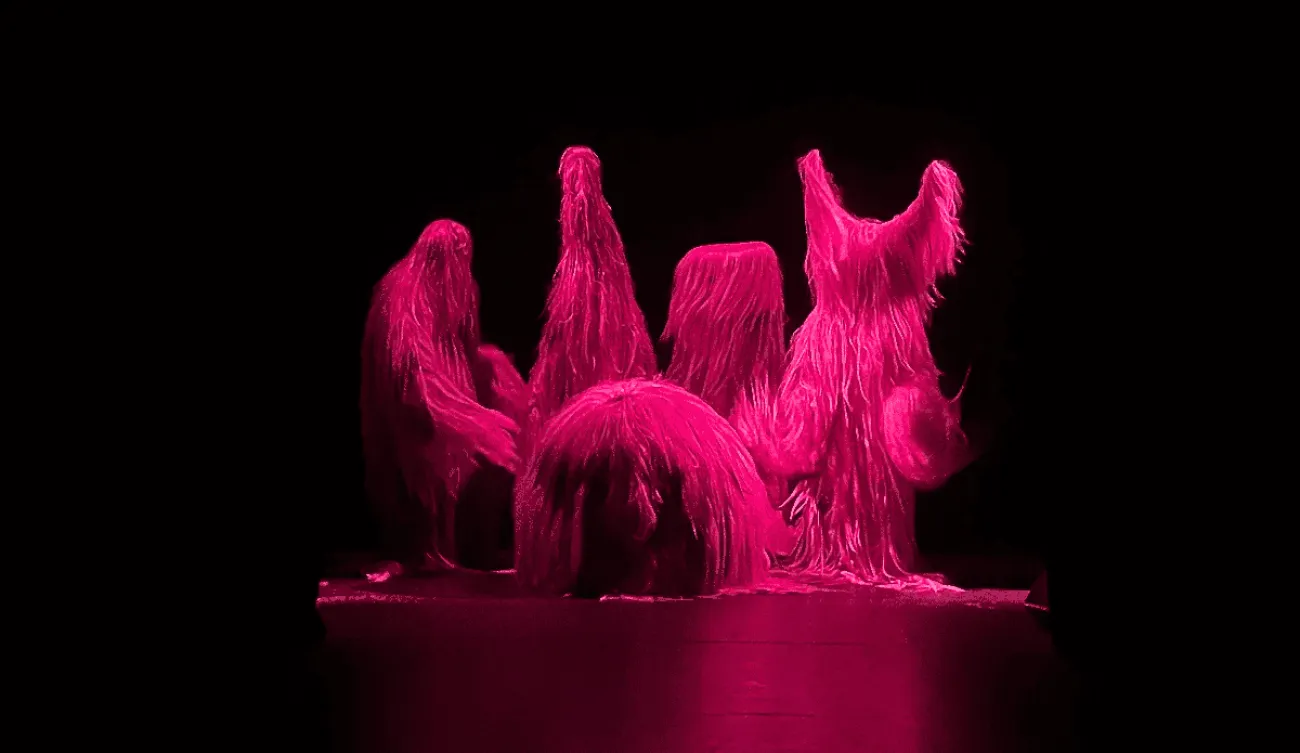
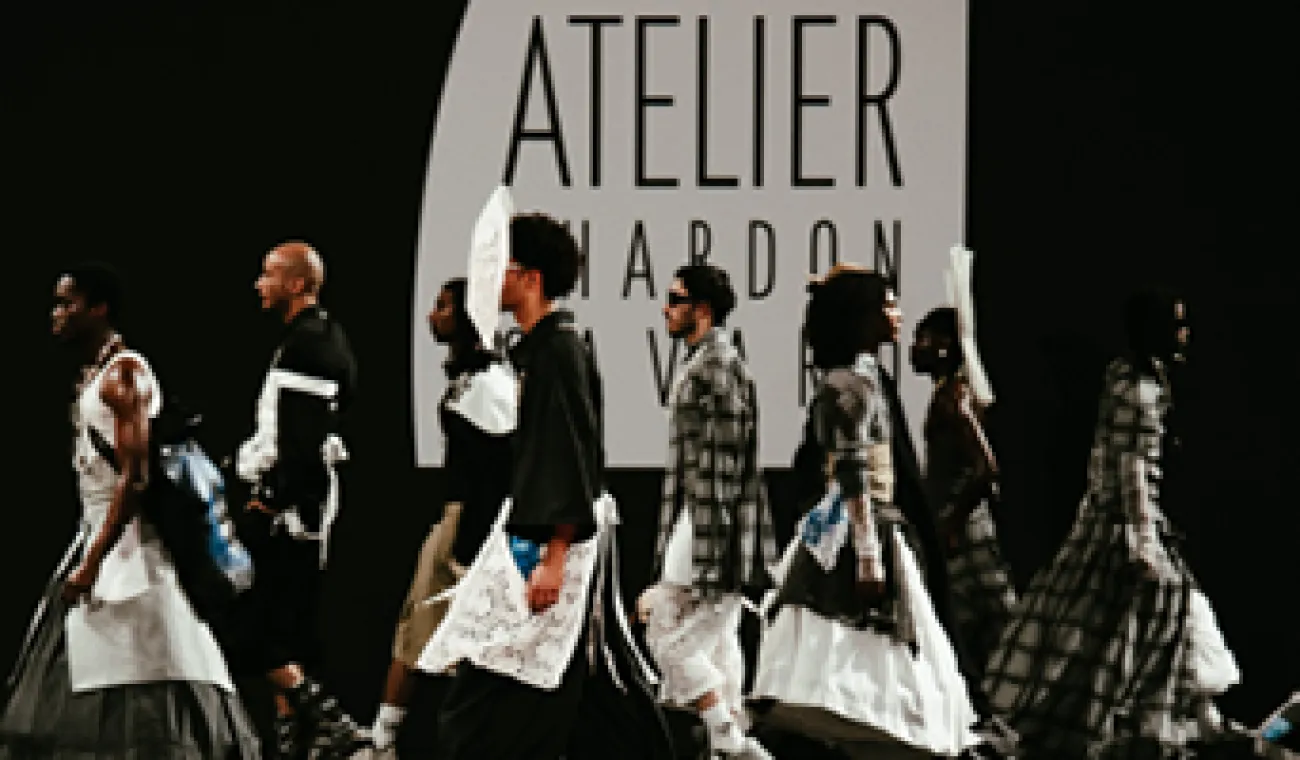
Every year your creations are presented at a fashion show, preparing you for a career in haute couture, luxury or ready-to-wear.
The course leads to the RNCP-recognised title “Styliste – Designer de mode” (Level 6)*.
*The professional certification 42512 is currently undergoing a renewal application for its registration in the RNCP at level 6.
Why choose this program?
- Training leading to a recognised RNCP Level 6 certification (French recognition).
- Courses taught by experienced fashion professionals.
- Internships every year to gain practical experience.
- Innovative teaching blending theory and creative practice (photo shoots, fashion films, styling).
- Exciting professional projects such as collection creation and fashion shows.
- Personalised coaching to help you find internships and jobs.
- A prestigious network of partner companies (Isabel Marant, Hermès, Saint Laurent, Céline…).
Program overview
The bachelor is a four-year course: three years of study followed by a professionalisation year with extended internships. Each year develops new skills while encouraging creativity and experimentation.
Year 1 – Experiment and stimulate your creativity
Develop your creative voice by experimenting with textiles and drawing.
You will explore the fundamentals of fashion culture, take part in styling workshops and broaden your observation skills.
A company internship, exhibition visits and talks from industry professionals complement the curriculum.
Year 2 – Build a collection step by step
Discover each stage of collection development.
Through style dossiers, technical pattern-making and creative modelling, you acquire the skills needed to design and construct garments while continuing to nurture your creativity.
Year 3 – Become a professional stylist and specialise
You learn to analyse a market sector, identify a target audience and translate your research into iconic pieces, prints and materials.
During this year you choose a specialism to strengthen your skills in knitwear, pattern cutting (chaine & trame) or accessories.

Year 4 – Professionalisation & internships
During the final year you can undertake two six-month internships.
A mandatory six-month placement caps the program, and a second placement allows you to accumulate a full year of professional experience before entering the workforce.
Detailed modules by year
UE1 – Fashion drawing:
- colour
- drawing
- digital design
- life drawing
- illustration
UE2 – Workshop production:
- pattern-making
- textile technology
- textile studies
- applied textile
- textile fresco workshop.
UE3 – Fashion culture:
- history of costume
- museum visits
- design culture
- art/fashion relations
UE4 – Collection conceptualisation:
- creative process
- experimental research
- style
UE5 – Professionalisation:
- online English
- professional project
UE1 – Fashion drawing:
- illustration
- digital design
- introduction to CLO 3D
UE2 – Workshop production:
- introduction to knitwear
- pattern-making
- textile
- textile workshop
- eco-design workshop
UE3 – Fashion culture:
- history of costume
- cultural visits
UE4 – Collection conceptualisation:
- creative process
- style
- collection construction
UE5 – Professionalisation:
- online English
- professional project
UE1 – Fashion drawing:
- visual communication
- illustration
UE2 – Workshop production common module:
- textiles
- certifications
UE2 – specialisations in chain & trame
- (pattern-making),
UE2 – knitwear
- knit
- knit pattern-making
UE2 – accessories
- leather goods
- sneakers
- shoes
- jewellery
UE3 – Collection conceptualisation:
- style
- runway styling
- collection planning
UE4 – Professionalisation:
- online English
- jury workshop
- portfolio workshop
- professional project
Certification and key indicators
The program leads to the professional certification* “Styliste Designer de mode” (NSF 240-242n-242 – Level 6) recorded in the RNCP under No. 39089 for two years.
*The professional certification 39089 is currently undergoing a renewal application for its registration in the RNCP at level 6.
If you validate only some of the competency blocks, they remain acquired; the qualification can also be obtained through the French VAE process.
There are no articulation routes.
For 2024, 87 % of students obtained the diploma and 87 % found employment within six months.
The Bachelor Fashion Designer aims to train creatives capable of designing and developing a fashion collection from start to finish. Students acquire:
- Solid fashion culture – a grounding in the history of garments, stylistic movements, contemporary trends and socio-cultural issues.
- A design methodology – from concept and mood board to collection development.
- Brand and market analysis skills – to position their work, understand target audiences and propose coherent creations.
- Proficiency in styling and textile tools – drawing, colour, fabrics and technical details.
- Collection development skills – including collection planning, material sourcing, technical sheets, pattern-making and prototype management.
- The ability to present and promote work – through style dossiers, portfolios, runway shows or exhibitions
Teaching encourages experimentation and personal expression, progressive professional immersion through projects, collaborations and internships, and the development of autonomy and adaptability in design.
The Bachelor Fashion Designer aims to train creatives capable of designing and developing a fashion collection from start to finish. Students acquire:
- Solid fashion culture – a grounding in the history of garments, stylistic movements, contemporary trends and socio-cultural issues.
- A design methodology – from concept and mood board to collection development.
- Brand and market analysis skills – to position their work, understand target audiences and propose coherent creations.
- Proficiency in styling and textile tools – drawing, colour, fabrics and technical details.
- Collection development skills – including collection planning, material sourcing, technical sheets, pattern-making and prototype management.
- The ability to present and promote work – through style dossiers, portfolios, runway shows or exhibitions
Teaching encourages experimentation and personal expression, progressive professional immersion through projects, collaborations and internships, and the development of autonomy and adaptability in design.
Graduates are expected to:
- Conceptualise a fashion collection: analyse a brand’s identity and competition, study target profiles, conduct creative and technical research, define a concept and theme.
- Model and prototype garments: draw rough sketches (by hand or digitally), select materials and suppliers, develop collection plans using CAD tools, produce technical sheets and patterns, and monitor prototyping.
- Promote the collection: present designs to internal teams, scenario presentations for professionals or investors, compile portfolios and style dossiers with scenographic elements.
Graduates are expected to:
- Conceptualise a fashion collection: analyse a brand’s identity and competition, study target profiles, conduct creative and technical research, define a concept and theme.
- Model and prototype garments: draw rough sketches (by hand or digitally), select materials and suppliers, develop collection plans using CAD tools, produce technical sheets and patterns, and monitor prototyping.
- Promote the collection: present designs to internal teams, scenario presentations for professionals or investors, compile portfolios and style dossiers with scenographic elements.
- Face-to-face classes taught by professors and industry professionals.
- Unique creative process pedagogy encouraging analytical and intuitive thinking, experimentation, risk-taking and tolerance of mistakes
- Practical workshops with professional equipment, complemented by online courses
- Specialisation options in the third year: chain & trame, knitwear or accessories
- Conferences, visits and master classes with industry experts
- Professional projects (exhibitions and fashion shows) and presentations to juries
- Face-to-face classes taught by professors and industry professionals.
- Unique creative process pedagogy encouraging analytical and intuitive thinking, experimentation, risk-taking and tolerance of mistakes
- Practical workshops with professional equipment, complemented by online courses
- Specialisation options in the third year: chain & trame, knitwear or accessories
- Conferences, visits and master classes with industry experts
- Professional projects (exhibitions and fashion shows) and presentations to juries
To validate the RNCP title, you must meet admission conditions and accumulate both training and professional experience:
- Entry into year 1: completion of the three-year curriculum at Atelier Chardon Savard or a partner institution and at least six months’ professional experience (any contract type or 300 hours of relevant work)
- Entry into year 2: completion of a two-year curriculum preparing for the certification and the same professional experience requirement
- Entry into year 3: completion of a one-year curriculum preparing for the certification and the same professional experience requirement
To validate the RNCP title, you must meet admission conditions and accumulate both training and professional experience:
- Entry into year 1: completion of the three-year curriculum at Atelier Chardon Savard or a partner institution and at least six months’ professional experience (any contract type or 300 hours of relevant work)
- Entry into year 2: completion of a two-year curriculum preparing for the certification and the same professional experience requirement
- Entry into year 3: completion of a one-year curriculum preparing for the certification and the same professional experience requirement
Further study and career prospects
After obtaining the bachelor, you may either enter the fashion industry or continue with the Master Fashion Designer.
Early-career roles include junior stylist, ready-to-wear stylist, pattern-maker, textile designer, fashion designer, brand creator, costume designer or consultant stylist.
With experience, you can progress to positions such as product manager, collection manager, creative director, artistic director or collection director.
Fees
| Campus | Year 1 | Year 2 | Year 3 | Year 4 | Application fee |
|---|---|---|---|---|---|
| Paris | €10 990 | €11 090 | €11 190 | €1 990 | €590 (one-time) |
| Nantes | €8 990 | €9 190 | €9 190 | €1 990 | €520 (one-time) |
Fees apply to EU students and are subject to annual revision.
Frequently asked questions
Total hours range from about 2 135 to 2 167 depending on your specialisation (chain & trame, knitwear or accessories). Year 1 comprises 660 hours plus a month-long internship; year 2 comprises 632 hours plus a two-month internship; year 3 ranges from 643.5 to 675.5 hours; and the final year comprises 200 hours plus a six-month internship.
Total hours range from about 2 135 to 2 167 depending on your specialisation (chain & trame, knitwear or accessories). Year 1 comprises 660 hours plus a month-long internship; year 2 comprises 632 hours plus a two-month internship; year 3 ranges from 643.5 to 675.5 hours; and the final year comprises 200 hours plus a six-month internship.
Yes. Students can contact the disability co-ordinator before or during the course for guidance and support in adapting their training, assessments and internship search. handicap@atelier-chardon-savard.com
Yes. Students can contact the disability co-ordinator before or during the course for guidance and support in adapting their training, assessments and internship search. handicap@atelier-chardon-savard.com
- Year 1: Baccalaureate or equivalent (Level 4).
- Year 2: Bac + 1 year (60 ECTS) in fashion or styling.
- Year 3: Bac + 2 (120 ECTS) or equivalent in fashion or styling.
- Year 4: no direct entry
Admissions are based on an application file (diplomas, ECTS, CV, motivation letter, portfolio) and an interview assessing your alignment with the programme and your interest in fashion and luxury. Admissions are open from October to August, with decisions provided within three weeks. Late entry is possible up to two months after the course starts
- Year 1: Baccalaureate or equivalent (Level 4).
- Year 2: Bac + 1 year (60 ECTS) in fashion or styling.
- Year 3: Bac + 2 (120 ECTS) or equivalent in fashion or styling.
- Year 4: no direct entry
Admissions are based on an application file (diplomas, ECTS, CV, motivation letter, portfolio) and an interview assessing your alignment with the programme and your interest in fashion and luxury. Admissions are open from October to August, with decisions provided within three weeks. Late entry is possible up to two months after the course starts
Evaluation is continuous, based on assignments, practical work, group projects and oral presentations. Assessment criteria include project dossiers, professional situations, and group projects such as exhibitions and fashion shows. Final year projects involve developing, modelling and promoting a collection.
Evaluation is continuous, based on assignments, practical work, group projects and oral presentations. Assessment criteria include project dossiers, professional situations, and group projects such as exhibitions and fashion shows. Final year projects involve developing, modelling and promoting a collection.